
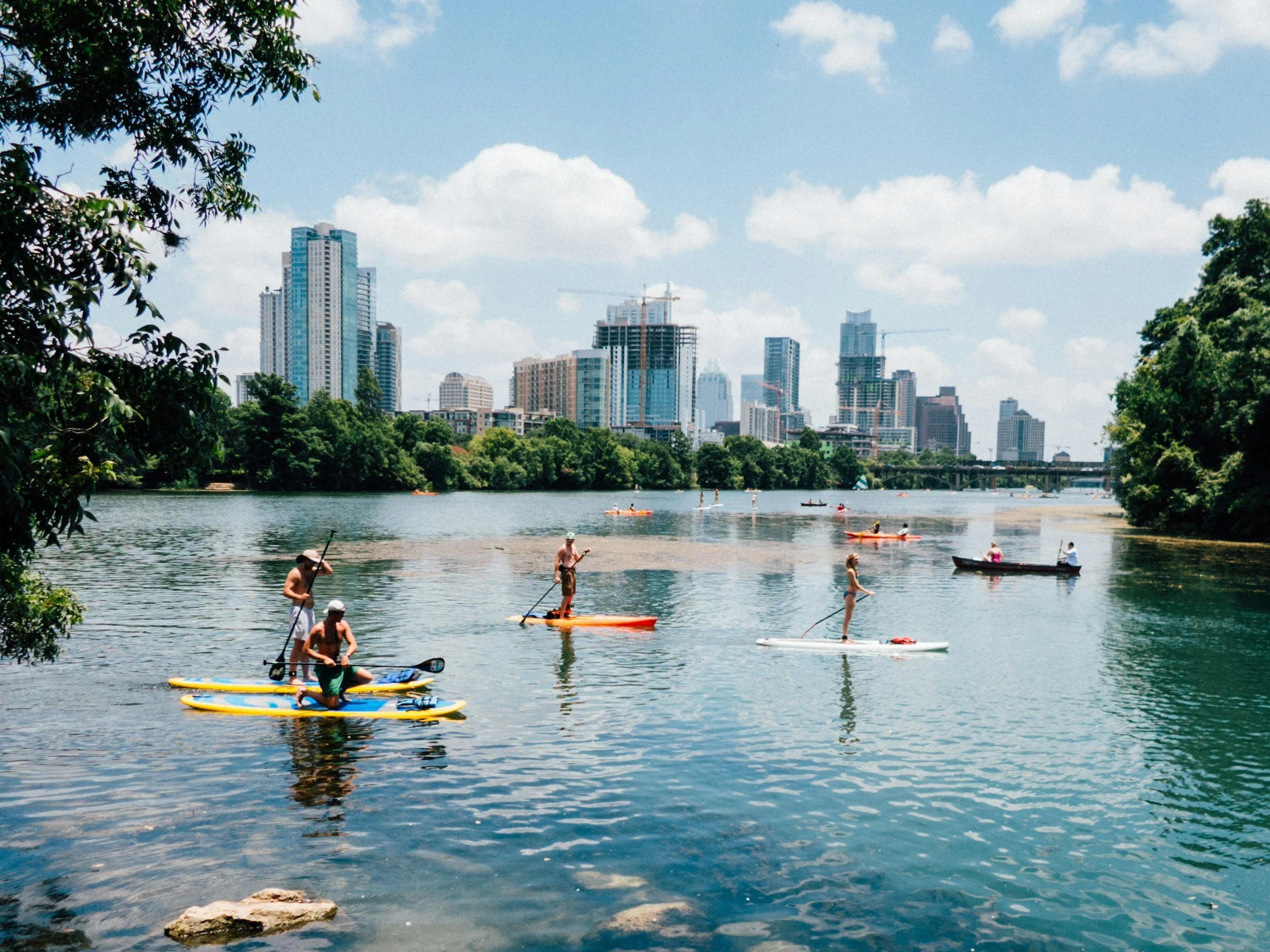
Best Hostels in Austin
We list hostels that earn their spot. Lower commissions mean lower prices for you, and every property goes through a real vetting process before it shows up here.
Find affordable hostels in Austin, meet real travelers, and book fee-free and yes, hosteling is safe in the USA!
-
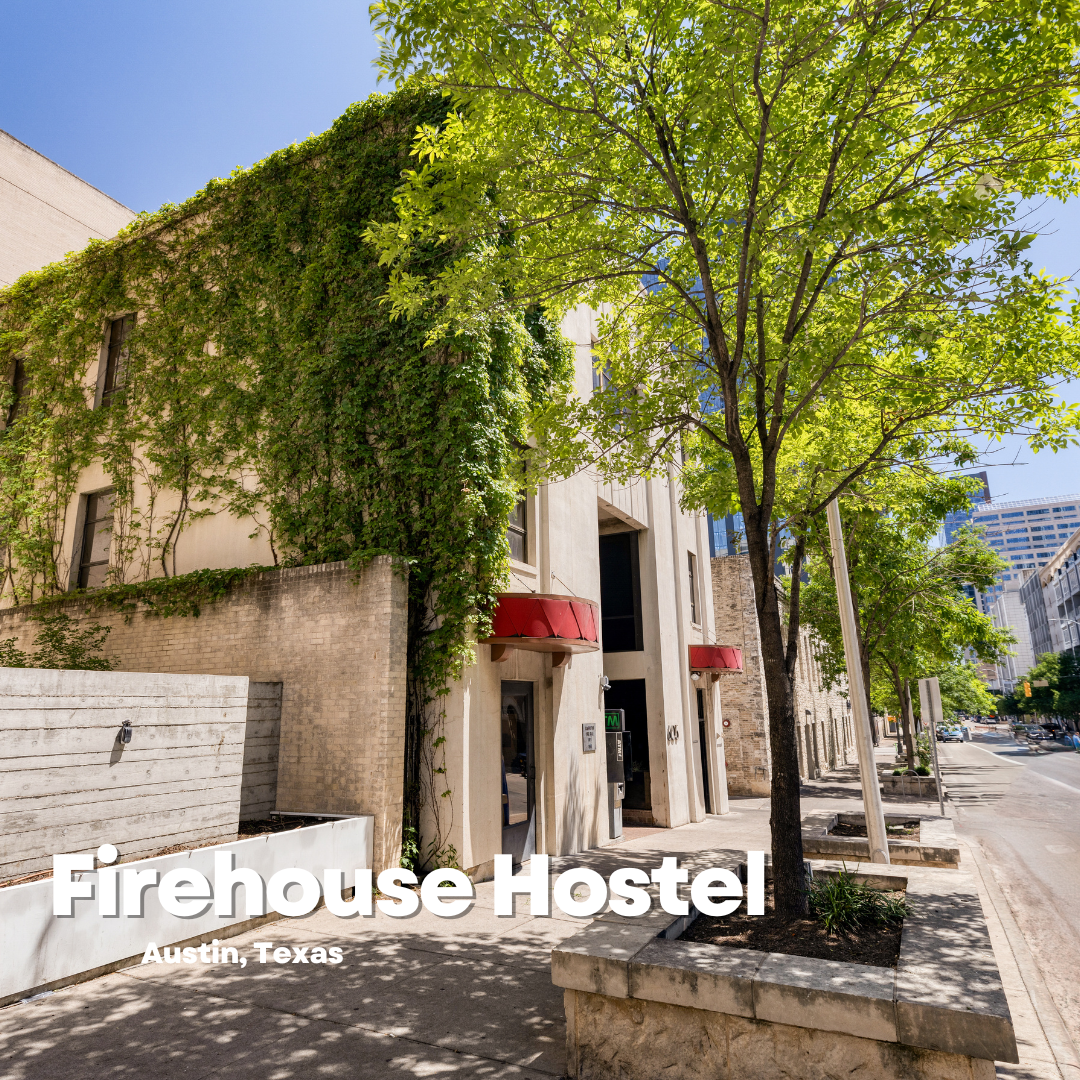
Firehouse Hostel
Steps from Sixth Street, with a hidden speakeasy lounge with comfy, custom bunks, and staff who actually know and love this city!
The City That Doesn't Let You Sit Still
Austin has a way of making you feel like you showed up at exactly the right time. There is always a show starting in an hour you did not know about. There is always a taco spot someone in the common room just told you about that you are now rerouting your entire day around. There is always a swimming hole, a trail, a third-wave coffee shop with a patio designed for sitting on until something better comes along. The city hums at a frequency that matches the budget traveler's instinct to stay loose and see what happens.
Hostels in Austin are not a fallback. They are the setup. You are in a city where the music is free on Sixth Street on any given Tuesday, where the best barbecue in the state comes out of a trailer, and where the river is public and cold and open to anyone who walks down to it. Spending your money on a bunk bed and a kitchen means you have the rest of it for the things that actually make Austin worth coming to.
This is not a city that rewards isolation. The hotel room with the blackout curtains and the room service menu is the wrong call here. You want to be in a room where someone just got back from a week at Big Bend and will tell you exactly which trail to take if you only have one day. You want the kitchen table. You want the Austin that the tourists who stay downtown in glass towers never actually find.
Whether you rolled in on a Greyhound or drove straight through from Houston with the windows down and the Hill Country opening up ahead of you, this is where you start.
What to Expect
Austin hostel culture has the same DNA as the city itself: informal, friendly, a little loud, and surprisingly deep once you get past the surface.
Youth hostels in Austin attract a mix that reflects what the city has become over the last decade. You have the music people, drifting in and out on tour or just following the sound. You have the tech-adjacent remote workers who want somewhere communal to land for a week. You have the solo road-tripper doing a Texas loop, the foreign visitor who read that Austin is the weird one and came to see for themselves, the recent grad who heard the job market here is real and came to check it out.
What they all find in the common room is that Austin is easier to navigate with a local tip than without one. The hostel staff and the other travelers are the tip. Which food truck pod is worth the wait? Which part of Sixth Street is the tourist trap, and which block has the actual music? Where Barton Springs is and why it is non-negotiable on a hot afternoon, which in Austin means about eight months of the year.
Dorm beds at affordable hostels in Austin typically run between $35 and $60 a night. Private rooms, when available, sit in the $85 to $130 range. For a city where a hotel near the convention center or the Domain will run you $200 before parking, that gap is significant. Budget travel in Austin is not about missing out. It is about redirecting what you saved toward the live music cover charge, the Franklin Barbecue line (bring cash, bring patience), and the cold Lone Star you earn afterward.
Most Austin hostels include kitchen access, Wi-Fi, and common spaces that actually get used. The good ones have a porch or an outdoor area, because sitting outside in Austin is a meaningful part of life here for about three seasons. Air conditioning is not optional. Anyone running a hostel in Texas figured that out before anything else.
Where to Find Affordable Hostels in Austin, Texas
Austin's geography is more sprawling than a first glance suggests, but the traveler's Austin clusters around a few key zones that are worth understanding before you book.
The area around South Congress and South Lamar is where a lot of the energy lives now. SoCo, as locals call it, is the strip of vintage shops, taco joints, food trailers, and bars that runs south from the river. Staying in this corridor puts you in walking distance of the Austin you came for: the neon, the live music, the weird little shops, the people-watching on a Saturday morning that is as good as any city in the country. Affordable hostels in the South Congress area drop you into the middle of all of it without a car.
Downtown and the Rainey Street district are denser and louder, close to the live music venues on Red River and the honky-tonk bars on lower Sixth. If your trip is built around music, this is the zone. The tradeoff is noise and price pressure, but for a few nights during a festival run or a long weekend, being in the thick of it has its own value.
East Austin has shifted significantly in the last decade from a working-class residential neighborhood to one of the most interesting zip codes in the state. The food, the bars, the murals, the coffee shops with lines out the door at 8 AM on a Wednesday: East Austin is where the city's creative class actually spends its time. Cheap stays in this part of town put you at the leading edge of what Austin is becoming, and the hostel traveler who ends up here usually stays longer than they planned.
If you're arriving by bus, the Greyhound and Flixbus depots sit close enough to central Austin that getting oriented is straightforward. Austin does not have a great light rail system yet, though that is changing, so a bike, a rideshare budget, or a hostel with good walkability matters more here than in some other cities.
Are Hostels in Austin Safe?
Austin is one of the more straightforward cities in the US for a hostel traveler in terms of personal safety. The neighborhoods where hostels operate, South Congress, East Austin, the downtown core, are active and well-lit and full of people at most hours. The live music scene keeps things populated late into the night in a way that actually makes those corridors safer after midnight than a lot of quieter cities.
The heat is the more genuine safety consideration in Austin. From May through September, temperatures regularly hit triple digits, and the sun in Central Texas is not playing around. Hydration is not a lifestyle tip here, it is a logistics problem. If you are planning any outdoor activity, the Barton Creek Greenbelt, the trails around Lady Bird Lake, the longer hikes in the Hill Country, you need water and you need to start early. The hostel staff will tell you this and they will mean it.
The hostel spaces themselves are well-run and safe. Austin attracts an experienced traveler crowd that knows how communal spaces work. Lockers, common sense with valuables, and the basic social awareness that hostel culture runs on are all you need.
One practical note: Austin's homeless population has been visible in certain downtown blocks near the drag and around the bus station. It is manageable and navigable, and the hostel community is a buffer that keeps you oriented. Ask your hostel staff about anything that feels unclear. They know the blocks and they will give it to you straight.
Best Areas to Stay in Austin for Budget Travelers
South Congress and Bouldin Creek are the sweet spot for most first-time Austin visitors on a budget. You have the iconic SoCo strip, the proximity to Barton Springs Pool (a cold natural swimming hole that will change your relationship with summer), and a neighborhood density that rewards walking. The vibe is warm and the tacos are genuinely great at every price point. This is the Austin that people come back for.
East Austin is for the traveler who wants to go a little deeper. The food scene on East Sixth and the surrounding blocks is serious, the bars are less themed and more real, and the murals and public art make it one of the more visually interesting places to wander in any American city. It is also slightly more affordable than the trendiest parts of SoCo, which, for a budget stay means your dollar goes a little further.
The UT / Hyde Park area sits north of downtown around the University of Texas campus. It is quieter, greener, and very walkable, with cheap eats built around the student population and access to the excellent Blanton Museum of Art and the Harry Ransom Center, which houses a Gutenberg Bible and Houdini's handcuffs in the same building, which feels right for Austin. If you are staying a week and want to feel like you live somewhere rather than just passing through, this neighborhood rewards the slower pace.
Downtown and Red River Cultural District is for the music trip, full stop. The venues on Red River, Stubb's, Emo's, Mohawk, are some of the best mid-size live music rooms in the country, and staying within walking distance means you can catch a late set and walk home. The tradeoff is that downtown Austin gets loud and crowded, especially around SXSW in March and Austin City Limits in October. Book early for those windows. Book very early.
How to Book a Hostel in Austin Without Paying High Fees
The booking fee situation on major third-party platforms adds up quietly. A few dollars per night across a week-long trip is a tank of gas or two nights of live music covers, and on a budget travel trip in Austin, that math is not trivial.
The cleanest way to book hostels in Austin is through a platform built specifically for hostel travel in the US. Hosteling.US does not charge the layered fees that hotel-focused platforms bolt onto hostel bookings. You search, you find a real price, you book it. That is the whole transaction.
Some additional ways to keep your Austin trip economical: SXSW and Austin City Limits are the two periods when prices for everything in the city spike hard. If your dates are flexible, the weeks on either side of those festivals are often when Austin is at its most local and least expensive. The city is genuinely good in January and February when the weather is mild, and the crowds are thin.
The free music in Austin is real, and it is not a tourist gimmick. Sixth Street on a weekend is free. The Continental Club on South Congress has shows that cost less than a cocktail anywhere else in the city. Wandering is a legitimate Austin activity, and it costs nothing.
Use the hostel kitchen. Austin has a Central Market and a Whole Foods flagship (the original one, right downtown, worth seeing as a cultural artifact) and enough farmers’ markets that cooking a few meals yourself is easy and good. Your bunkmates will probably have opinions about where to shop and what to make. Let them.
The road is still out there. The interesting people are still in the common room. Austin is a city that hands you more than you came for if you are open to it, and a hostel stay is exactly the right posture for a place like this. Start your search today.
Still exploring?
